
The Humane Societies of BC, a collaborative of independent animal service nonprofits across the province, are urging dog guardians to take immediate precautions as the canine parvovirus outbreak persists in British Columbia.
The ongoing outbreak is especially present in areas where people with pets may experience greater barriers to veterinary care, such as the Downtown Eastside in Vancouver, and rural and underserved communities surrounding the Okanagan Valley in the Interior of BC.
Canine parvovirus, commonly known as “parvo,” is a highly contagious and potentially fatal viral disease that primarily affects puppies and unvaccinated dogs. The virus attacks the intestinal tract and immune system, often causing severe illness that requires urgent veterinary treatment.
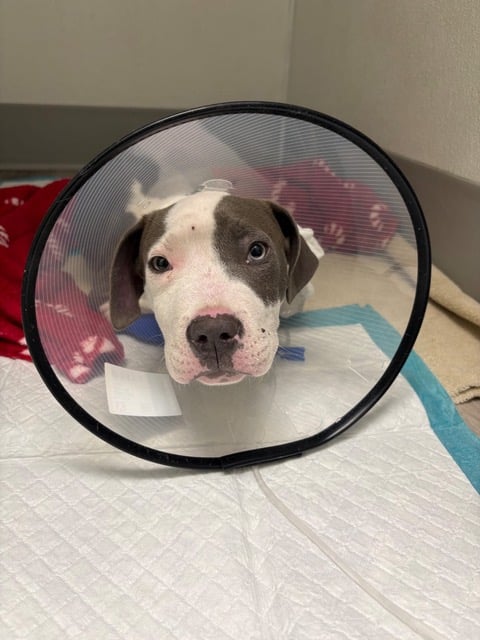
“Parvo can quickly become life-threatening without prompt care,” said Chantelle Archambault, communications director with the Vancouver Humane Society. “Vaccination remains the single best way to protect dogs and prevent further spread within the community.”
The Humane Societies of BC are encouraging pet guardians to ensure their dogs are fully vaccinated by checking their records or reaching out to their veterinarian. Puppies require a series of vaccinations, typically beginning at six to eight weeks of age. Adult dogs should also stay up-to-date on their vaccines.
“This is truly a situation where an ounce of prevention is worth a pound of cure to avoid not only a life-threatening illness for your pup but also potentially thousands of dollars in veterinary care,” suggested Romany Runnalls, director of operations at the Okanagan Humane Society.
Pet guardians are advised to watch for common signs of parvovirus, including lethargy, loss of appetite, vomiting, diarrhea (sometimes with blood), and fever. Guardians that have a dog showing these symptoms, especially puppies or unvaccinated animals, should isolate all exposed animals and call their veterinarian to discuss symptoms without hesitation, and make immediate arrangements to have them examined. It is extremely important to call first so staff can provide instructions and take the necessary precautions to prevent disease spread.
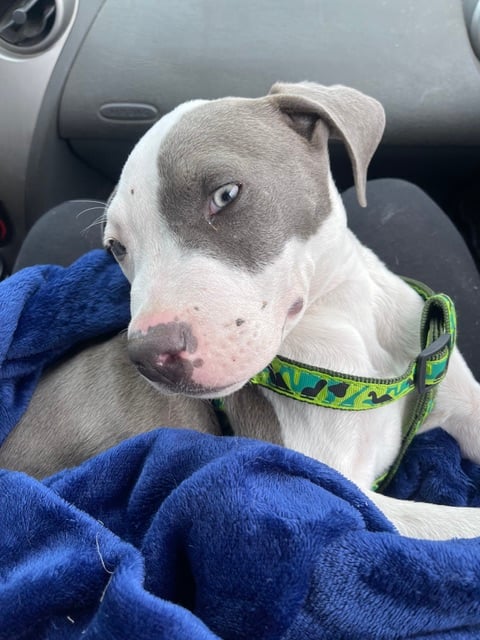
There is no direct cure for parvovirus, but early treatment can significantly improve survival rates. Supportive care, including IV fluids, medications, and hospitalization, can make a critical difference.
The virus spreads through contact with infected feces or contaminated surfaces and can survive in the environment for months. Dogs do not need direct contact with an infected animal to become sick; exposure can occur simply by walking through a contaminated area.
The Humane Societies of BC are also reminding households with multiple pets to take extra precautions if one dog becomes ill. Sick animals should be isolated, shared items should be disinfected, and guardians should wash hands thoroughly after handling infected pets. Because parvovirus is resistant to many household cleaners, bleach-based disinfectants are typically required to effectively kill the virus.
The Humane Societies of BC are responding to the outbreak through their local animal services. Pet guardians in low-income households can access emergency financial assistance for life-saving veterinary care for parvo through the Vancouver Humane Society’s McVitie Fund province-wide or vaccinations through the Okanagan Humane Society’sPet Assistance Program if they are in the Okanagan region. Please see the program details for eligibility.
The organizations encourage concerned pet guardians to contact their veterinarian with any questions about vaccination, symptoms, or prevention.