It's about survival.
Apple and cherry growers in the North Okanagan are terrified Greater Vernon Water's plan to turn off the tap will not only wipe out a crop, but kill trees and cost orchardists $250 million.
Greater Vernon is facing a serious water shortage and has announced a 70% reduction in agricultural water to deal with the deficiency.

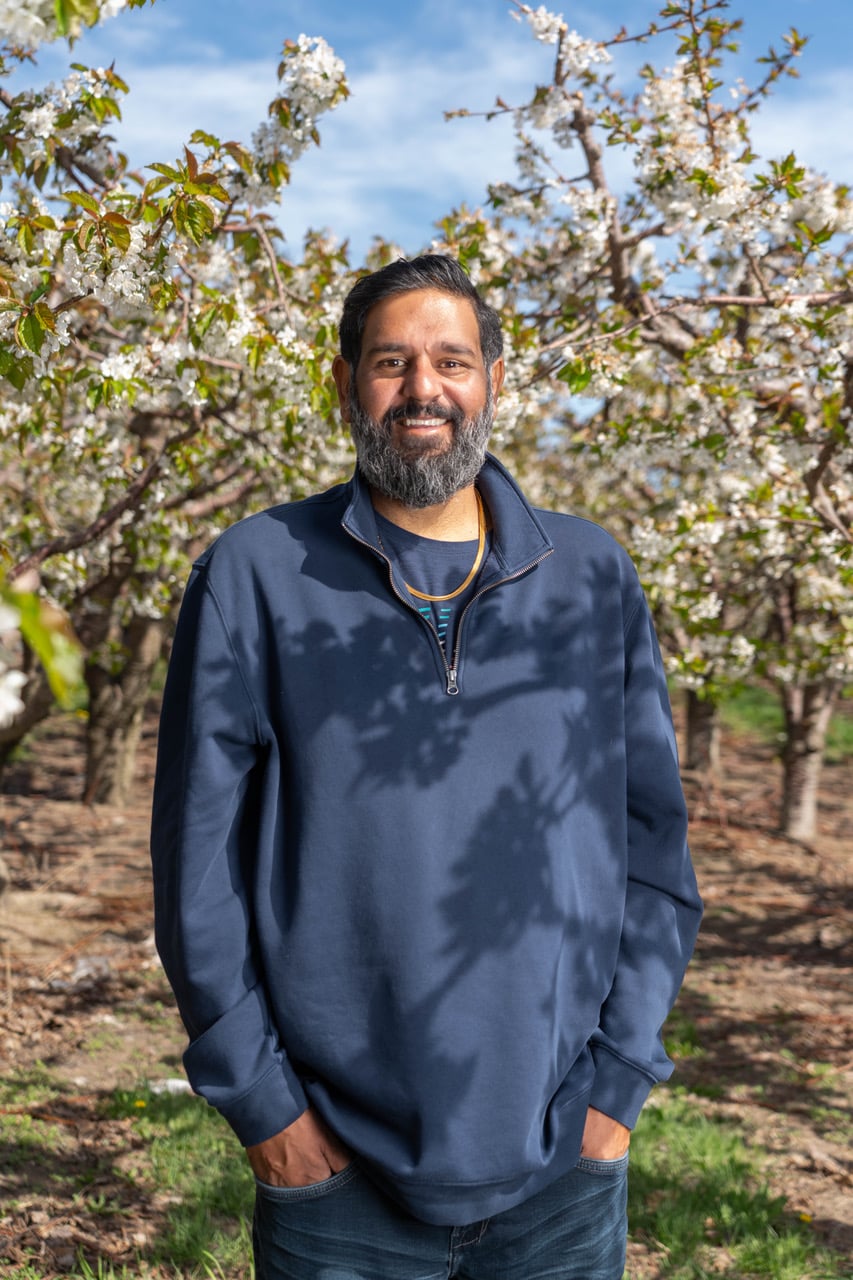
"Growers understand the seriousness of the drought," said Deep Brar, president of the BC Fruit Growers' Association.
"But, a 70% reduction in agricultural water is not just a crop-production issue. At that level, this becomes an orchard-survival issue."
In the Vernon area there's about 2,100 acres of apple and cherry orchards that depend on Greater Vernon Water's supplies for irrigation.
Without that irrigation, crop loss and tree kill could cost orchardists $250 million in direct losses and exceed $300 million when lost production, labour, packing, trucking, suppliers and related businesses are all considered.
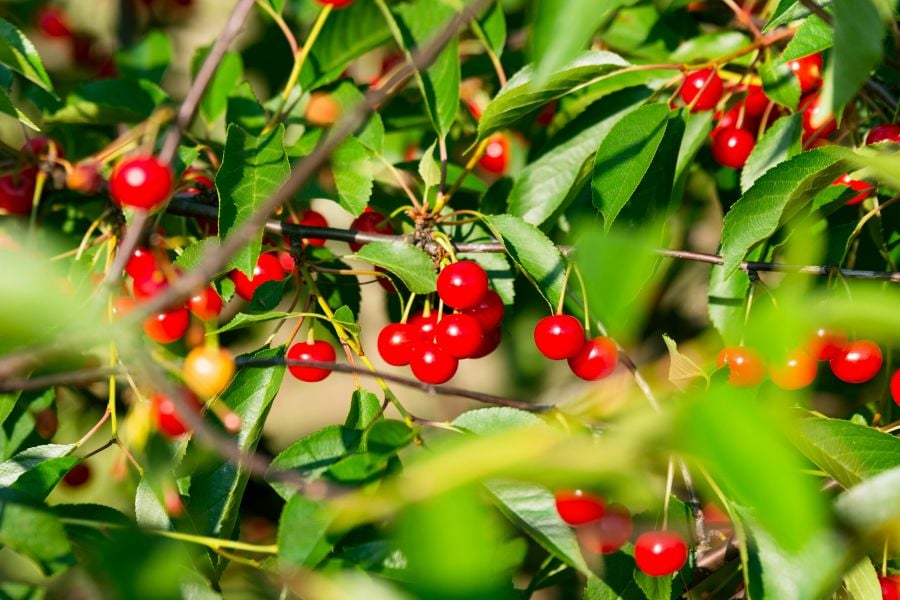
The BC Fruit Growers' Association said orchards must be treated differently that lawns, landscapes and annual crops.
"A lawn can go dormant and recover," explained Brar.
"An annual crop can be replanted next year. A mature apple or cherry orchard is a long-term, food-producing infrastructure. If those trees die, the impact is measured in years, not weeks."
While apples and cherries are the Okanagan's biggest tree fruit crops -- a water shortage also threatens the Valley's other orchard varieties such as peaches, apricots, plums, pears and nectarines.
Tree fruits are not just a agricultural business in the Okanagan, they are integral to the Valley's identity, scenery, culture and tourism.
On Wednesday, there will be a agriculture water-user meeting in the North Okanagan to develop a practical mitigation plan.
Apple and cherry growers are urging Greater Vernon Water, local governments and provential agencies to join and help form a solution.
"Growers are ready to do their part," stressed Brar.
"They have invested heavily in (water-saving) drip irrigation, micro-sprinklers, soil moisture monitoring and precision irrigation scheduling. What they need now is transparency, technical analysis and a coordinated plan to protect food-producing orchards wherever possible."
Apple and cherry growers are also looking for immediate answers to four questions:
1. How much water will remain available to each agricultural property?
2. What crop-science analysis was used to assess orchard survival under the restrictions?
3. What options exist to prioritize limited water toward keeping perennial crops (like apple and cherry orchards) alive?
4. What provincial support will be available if water shortages cause permanent orchard loss?
With very little snow pack in the mountains to melt and run off this spring to replentish water supplies, the Okanagan has fallen into an early, abrupt and scary dought.
Apple and cherry growers recognize that know they can't ask Greater Vernon Water to allocate water that does not exist.
But, they are asking that the existing water be managed in a way that saves mature orchards and protects long-term food production.
The drought crisis is prompting the BC Fruit Growers' Association to be proactive and find out if other water suppliers in the Okanagan are considering similar survival-risking water restrictions.
The association demands it be warned and engaged early, before restrictions are finalized, so it has input to save crops and keep trees alive.
The association also wants the province to give the heads up to production insurance and business risk staff in the case that crop or tree loss triggers insurance claims.